Your Preferred General Contractor for Excellent Home Renovations
A reputable construction professional fulfills a vital role in home improvements. Their expertise ensures projects are completed with precision and care. By focusing on superior materials and craftsmanship, they enhance both aesthetics and worth. Clear dialogue and thorough preparation are vital for a smooth process. However, many property owners miss key factors when selecting a contractor. Recognizing what to emphasize can create all the difference in obtaining a successful renovation. What should homeowners think about first?
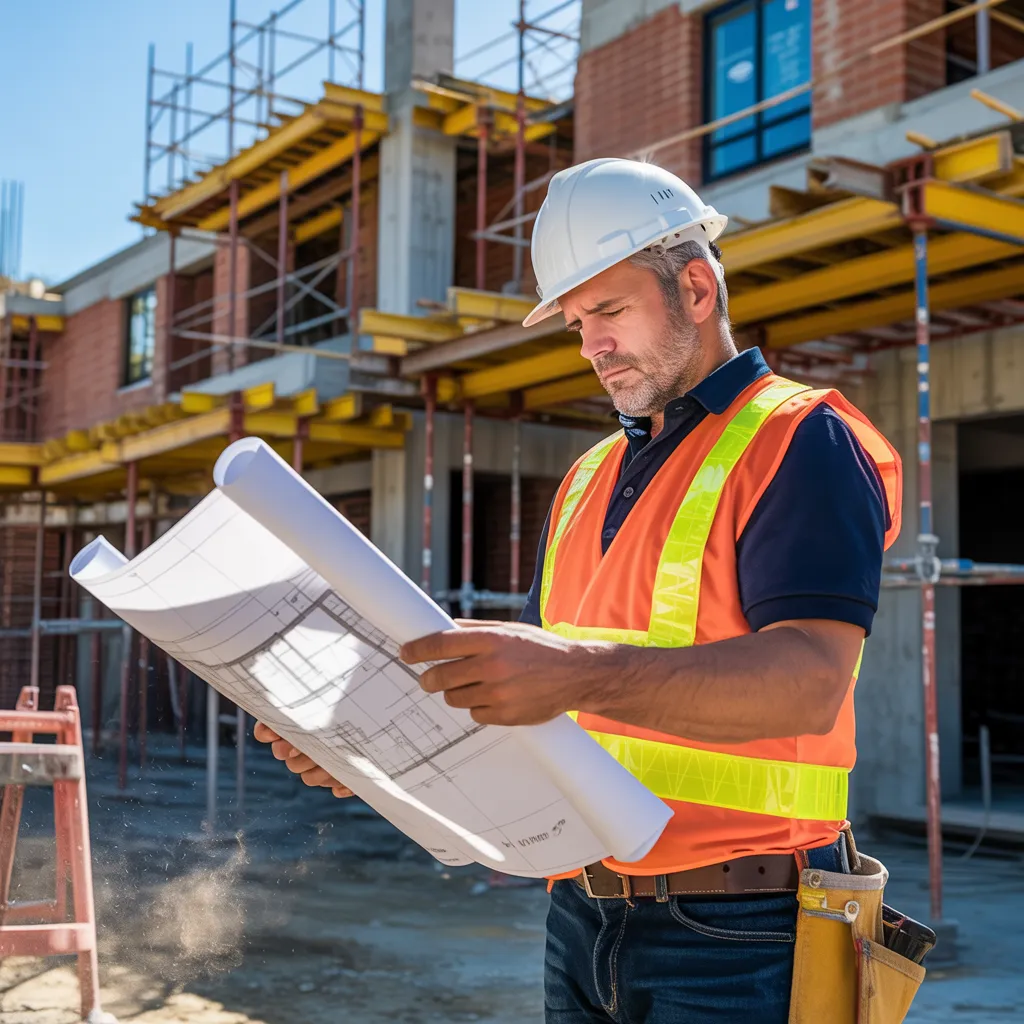
Important Characteristics to Look For in a Trustworthy General Contractor
When beginning a home improvement undertaking, how can one guarantee they choose a reliable contractor? First, individuals should seek recommendations from friends, family members, or web-based reviews to find potential candidates. It is essential to verify credentials, including licenses and insurance, ensuring the contractor meets local requirements. Subsequently, examining previous projects through project galleries or client testimonials offers understanding into the builder's quality of work and dependability.
In addition, sourcing varied assessments can help determine reasonable fees and project schedules. Communicative skills are also essential; a contractor should be approachable and engaged to messages. Moreover, a sound formal agreement laying out project scope, timelines, and payment schedules secures both involved groups. In the end, trust your gut; if a contractor seems unprofessional or vague, it may indicate downstream complications. By keeping to these recommendations, homeowners can significantly increase their chances of bringing on a dependable general contractor, culminating in successful home modernization projects.
Why Choosing a Local General Contractor Is Your Ideal Decision
Going with a local service provider can substantially boost the achievement of home renovation projects. Local contractors hold invaluable understanding of the community, including construction codes, rules, and zoning restrictions, ensuring compliance and efficiency. Their strong relationships with vendors and contractors can deliver superior rates and ready availability to supplies and skilled labor.
In addition, local contractors often have a name to protect within the area, prompting them to deliver high-quality work. This level of responsibility fosters trust and confidence among residents.
Furthermore, closeness allows for simpler communication and quicker response times, which can be crucial during a project. Homeowners can also seek referrals from neighbors or friends who have previously worked with the contractor, giving peace of mind. Overall, choosing a local general contractor not only supports the community but also improves the overall quality and experience of home improvement projects.
Your Complete Step-by-Step Handbook to Residential Upgrade Experience
Undertaking a domestic renovation project calls for strategic planning and skilled execution. Setting a project timeline is vital to make certain that tasks are fulfilled efficiently, while procuring superior materials can markedly determine the ultimate result. This guide will present these fundamental procedures to help homeowners navigate their improvement endeavor triumphantly.
Plan Your Project Timeline
A carefully structured project timeline is paramount for ensuring successful home upgrades, ensuring that all phases are delivered efficiently. To begin with, property owners should determine the project's parameters, laying out concrete goals and desired outcomes. Next, they should consult with their general contractor to establish a realistic timeframe contingent on the project's complexity and mandatory tasks. Splitting the project into discrete phases allows for superior tracking and revisions as circumstances demand. It is also important to account for unforeseen setbacks, such as atmospheric conditions or logistics challenges, which may impact the schedule. Regular check-ins with the contractor can ensure the project stays on schedule. Ultimately, a definitive schedule fosters communication and clarifies objectives, culminating in a smoother property upgrade undertaking.
Locating High-Quality Resources
choosing quality substances substantially determines the outcomes of domestic enhancement projects. First, residents must establish the exact needs of their assignment, considering aspects including longevity, design quality, and cost constraints. studying assorted material options is important; this includes understanding the pros and disadvantages of each option. consulting with specialists can deliver worthwhile perspective into reputable brands and providers.
Next, homeowners should request material samples to assess the look and feel of materials firsthand. Shopping around for prices across different suppliers can help ensure competitive pricing without compromising quality. Finally, verifying that materials meet local building codes is essential for safety and compliance. By thoughtfully selecting materials, homeowners can enhance both the lifespan and visual appeal of their upgrades, ultimately increasing the worth to their property.
Express Your Vision Like a Expert
Successful home improvements often turn on the ability to applicable information articulate a clear direction. Homeowners should communicate their ideas, choices, and anticipated outcomes, ensuring that they convey their wants effectively to their general contractor. A well-defined vision not only helps in aligning the contractor's plans with the homeowner's goals but also streamlines the choice-making process.
Visual aids, including sketches or mood boards, can greatly enhance communication. They provide a tangible reference that shows style, color schemes, and layout preferences. Additionally, participating in frank discussion fosters collaboration, enabling the contractor to ask clarifying questions and provide insights.
Establishing practical deadlines and budgets is equally critical. Homeowners should ready themselves to discuss constraints candidly to prevent misunderstandings in the future. Finally, sharing a vision with distinctness and confidence empowers both participants, creating conditions for successful project execution and satisfying results in residential improvement initiatives.
The Relevance of Quality Materials and Masterful Artisanship
When it comes to residential renovations, the selection of sturdy materials significantly affects the longevity and performance of a project. Equally important is the importance of skilled craftsmanship, which guarantees that these materials are utilized efficiently. Combined, high-quality materials and expert workmanship produce outcomes that endure through the years.
Durable Substance Selection
A carefully selected range of resilient materials can significantly impact the longevity and visual appeal of home improvements. Premium materials not only enhance the visual appeal of a space but also ensure that renovations withstand the test of time. Homeowners should prioritize materials with established durability, such as hardwood, stone, and high-grade metals, which resist wear and tear and environmental damage. Furthermore, selecting materials suited to the local climate can prevent issues like rot or corrosion. Investing in long-lasting options may demand a higher upfront cost, but the long-term benefits—fewer repairs and replacements—make it a prudent choice. Ultimately, the right materials add to a home's value and overall satisfaction for years to come.
The Significance of Skilled Workmanship
Quality craftsmanship functions as a important component in the success of home upgrades, reinforcing the choice of robust materials. Expert artisans confirm that all aspects of a project are delivered with precision, boosting both utility and aesthetic quality. Meticulous attention in construction, from framing to finishing touches, greatly enhances the life span and dependability of home features. Quality workmanship not only indicates a dedication to excellence but also prevents future concerns, such as structural defects or aesthetic imperfections. Additionally, veteran professionals grasp the complexities of various materials, confirming they are leveraged optimally. Ultimately, investing in skilled craftsmanship produces a more fulfilling and durable outcome, raising the overall worth of the home and the homeowner's satisfaction.
Usual Renovation Pitfalls and Strategies for Preventing Them
Many homeowners face obstacles during remodeling that can lead to costly delays and disappointment. One common mistake is underestimating the financial allocation. Without a comprehensive budget outline, unexpected expenses can quickly surface, compromising the project. Additionally, neglecting to obtain required approvals can cause penalties and work stoppages, hindering the remodeling effort.
Another frequent mistake is rushing the decision-making process. Hasty choices regarding design and layout can lead to regrets down the road. Homeowners often neglect the importance of hiring experienced professionals, which can undermine the workmanship and safety requirements.
In the end, failing to communicate adequately with building professionals can produce misunderstandings and unsatisfied expectations. To circumvent these obstacles, homeowners should prioritize meticulous preparation, secure the necessary permits, hire qualified professionals, and maintain open dialogue throughout the construction project. By addressing these frequent mistakes, homeowners can guarantee a easier and more satisfying renovation experience.
How to Pick the Suitable Supplies for Your Renovation?
What is the best way for homeowners to ensure they pick the appropriate products for their renovation projects? First, they should assess the specific needs of the area, keeping in mind factors such as functionality, visual appeal, and durability. Researching multiple options is essential; homeowners should compare options based on their fitness for the designated purpose and local climate conditions.
Engaging a trustworthy building contractor can impart crucial knowledge into material options, verifying that preferences align with both monetary goals and design aspirations. In addition, homeowners must stress eco-consciousness by examining sustainable materials that diminish environmental footprint.
Finally, evaluating samples can assist with informed choices, enabling homeowners to see how materials will appear and feel in their space. By adhering to these guidelines, homeowners can securely select materials that improve their project while ensuring quality and longevity.
Common Questions Asked Regularly
What's the Most Effective Way to Validate a Contractor's Permits and Insurance?
To validate a contractor's licenses and insurance, one can examine state licensing boards and underwriters. In addition, soliciting proof of licenses and insurance documents directly from the contractor guarantees genuineness and conformance to standards.
How Extended Does the Average Duration for Domestic Remodeling Ventures Take?
The typical timeline for residential renovation undertakings varies, often spanning from a few weeks to several months, based on complexity of the project, size, and required permits. Dialogue with the contractor can help establish a more precise schedule.
May I inhabit My Home While Remodeling Are Occurring?
Yes, people are able to occupy a home during renovation work, though it frequently depends on the scope of the project. Limited renovations may allow sustained occupancy, while extensive projects might demand temporary relocation for safety and well-being.
What Types of Payment Do Service Providers Commonly Welcome?
Contractors regularly process a collection of payment types, including cash, checks, credit cards, and digital payment platforms. Some may also make available financing options, granting clients versatility in regulating renovation costs and payment schedules.
How Do I Manage Disagreements With My Building Professional?
To address disputes with a contractor, one should communicate clearly, record every communication, and seek a resolution through negotiation. If unresolved, mediation or legal action may be required to safeguard your rights successfully.